
"coffee washing stations"
1000 article(s) found

Flavor characteristics of special washed Ugandan coffee in Yega Sheffield, SL14 species of the White Nile, Uganda
Professional coffee knowledge exchange more coffee bean information please follow the coffee workshop (Wechat official account cafe_style) Uganda White Nile SL14 species Yega Sheffield Special washing Origin: NEBBI,ZOMBO,UGANDA treatment Plant: WHITE NILE altitude: 1450m 1800m treatment: washing flavor: cherry, toffee, floral white Nile washing station was established in 201

Rwanda coffee varieties varieties Malaba coffee Western Province Lutesilo producing area
The first problem that Malaba coffee farmers solved was to set up a washing station. Coffee cherries must be transported to a washing station within twelve hours of picking to remove the sugar coating under the outer skin of the coffee beans, otherwise the flavor of the coffee will be greatly damaged. In July 2001, the Rwandan government, through UNR, the Office des Cultures Industrielles du Rwanda (OCIR-Caf), ACD,

Which producing area does Burundian coffee belong to? characteristic altitude of washing station.
Where does Burundian coffee belong? there are two major ethnic groups in Burundi. Only about 15% of the Tutsi have ruled the country since the 16th century, controlling the civilian population, mainly composed of Hutu, plus a very rare aboriginal Twa. It is not normal for ethnic minorities to occupy high positions.

Tanzania Mbeya Plateau Mboz coffee production area introduction Magwela washing is what flavor
Origin: Tanzania Region: Mbeya Highlands Mbozi District Washing Station: Magwila Plant Elevation: 1796m Variety: Kent Processing Method: Wash Flavors: Blackcurrant, Raspberry, Lavender, Grapefruit This particular microbatch comes from Magwilla Plant, a washing station in Mbozi District of Tanzania, located on the steep hills of Mbeya Highlands. these high

Characteristics of Rwandan coffee beans? Is it bourbon? Which tastes better, sunburn or water washing in Rwanda?
Coffee world map characteristics of coffee beans in Rwanda? Is it bourbon? Which tastes better, sunburn or water washing in Rwanda? Rwandan coffee is the most popular African coffee after Kenya and Ethiopia. But unlike the two famous countries, it does not have a long history of planting, let alone native varieties everywhere in the wild. This small African country is a fire Phoenix that has been reborn. Rwanda

Burundi COE Champion bidding batch Kibingo processing Plant Coffee Bean Story _ Burundian Coffee recommendation
Professional coffee knowledge exchange more information about coffee beans Please follow the coffee workshop (Wechat official account cafe_style) Burundi is a land with a long coffee tradition. Its high altitude, thousands of hills, volcanic soil and abundant rainfall provide ideal conditions for the production of special and exotic coffee. In Burundi, there are no large plantations. The coffee is actually small.

Rwanda Coffee East Africa recently a fast-growing boutique coffee producer, washing, elevated scaffolding Day
Like many African countries, Rwandan coffee is mainly produced by small farmers, and the ripe cherry fruits are collected and sent to the processing station every year during the harvest period. During the annual harvest period, the ripe coffee berries picked by farmers are concentrated in the treatment station for treatment, first selected by hand to ensure that no immature or damaged fruit is mixed in. Then peel off the peel in a cool, cold environment

Rwandan coffee production process Rwandan coffee history
The first problem for Malaba coffee farmers is to set up a cleaning station. The coffee fruit must be transported to the cleaning station to wash the sugar under the skin of the coffee bean within 12 hours after picking, otherwise the flavor of the coffee will be greatly damaged. In July 2001, with UNR, the Ministry of Culture and Industry of Rwanda (Office des Cultures Industrielles du Rwanda,OCIR-Caf), ACD

Introduction to the characteristics of Flavor Manor of High-quality Coffee beans in Rwanda
In 2000, the Mayor of Malaba requested development assistance from the National University of Rwanda (UNR), which is located near the city of Butare, and the following year, the National University of Rwanda assisted in the establishment of the Joint strengthening Rwanda Agricultural Partnership (PEARL). PEARL is also supported by several organizations: the United States Agency for International Development (USAID), Michigan State University, Texas A & M University, and

Rwanda coffee beans flavor taste estate production area introduction Malaba coffee boutique coffee beans introduction
The first problem that Malaba coffee farmers solved was to set up a washing station. Coffee cherries must be transported to a washing station within twelve hours of picking to remove the sugar coating under the outer skin of the coffee beans, otherwise the flavor of the coffee will be greatly damaged. In July 2001, the Rwandan government, through UNR, the Office des Cultures Industrielles du Rwanda (OCIR-Caf), ACD,
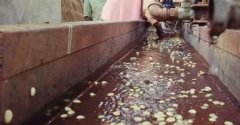
Detailed introduction of Musasa Cooperative of Gatta Guana processing Station of Musasha Group in Rwanda
For professional baristas, please follow the coffee workshop (Wechat official account qianjiecoffee) Rwanda is famous for its "Land of Thousand Hills" and the biographical film "Land of Gorillas in the Mist". The country is less than half the size of Scotland, but it has more than 3 million residents and is a landlocked part of East Africa.

Rwandan Coffee | what's the flavor of washed bourbon coffee from Musasha Cooperative?
Country: Rwanda producing area: Musasha Cooperative altitude: 1700 m Variety: bourbon treatment: washed flavor: nut cream, sweet melon and fruit, green plum, Body is thickly located in the Rushashi producing area in northern Rwanda, another well-known name is Dukundekawa, which has achieved good results in cup test competitions in previous years. The Musasha Cooperative was established in 2002 and has been in the authorities since 2003.

How's the coffee from Rwanda? What kind of seed do you grow? What's the difference between washing and insolation?
How's the coffee from Rwanda? What kind of seed do you grow? What's the difference between washing and tanning? Rwandan coffee is the most popular African coffee after Kenya and Ethiopia. But unlike the two famous countries, it does not have a long history of planting, let alone native varieties everywhere in the wild. This small African country is a fire Phoenix that has been reborn after robbery. Rwanda (Rwanda)

How do you brew Rwandan Gesak coffee? What is the flavor of Rwandan coffee?
In recent years, Rwandan coffee has attracted public attention with its high-quality water-washed bourbon. In this issue, baristas will share the brewing methods of Rwandan coffee. Rwanda coffee is known as the country of thousands of hills, Rwanda, the whole territory is mountainous and plateau, most areas are tropical plateau climate and savanna climate, mild and cool. There are about 33000 hectares of coffee plantations, 500000 people from

Kenya Nieli Ndaroini Coffee Co., Ltd. Coffee what coffee producing areas are there in Kenya
Professional coffee knowledge exchange more coffee bean information please follow the coffee workshop (Wechat official account cafe_style) Ndaroini Coffee Co., Ltd. In Swahili, Ndaroini is a place where people can spend the night. The name applies to Ndaroini sharecroppers who transport cherries over long distances to nearby Gichathaini washing stations. After a day's work, they returned

Single bourbon beans Musiui washing in the western province of Luanda, Rwanda
Like many African countries, Rwandan coffee is mainly produced by small farmers, and the ripe cherry fruits are collected and sent to the processing station every year during the harvest period. During the annual harvest period, the ripe coffee berries picked by farmers are concentrated in the treatment station for treatment, first selected by hand to ensure that no immature or damaged fruit is mixed in. Then remove the peel in a cool, cold ring

Chimere Manor, Lutesilo production area, Western Province of Rwanda
Rwandans have been growing coffee since colonial times, but until 1999, its products were still classified as below Class C and were not popular in the global market. The reason for the poor quality is that farmers do not have a fixed procedure for washing coffee beans and do not process coffee fruits according to specifications in time. Buyers buy coffee beans at $0.33 per kilogram, and farmers keep warm by the meagre profits earned at low prices.

History of Rwandan Coffee A brief introduction to the Origin of Rwandan Coffee
The taste of Rwandan coffee is extremely special. Rwandans have been growing coffee since colonial times, but until 1999, its products were still classified as below Class C and were not popular in the global market. The reason for the poor quality is that farmers do not have a fixed procedure for washing coffee beans and do not process coffee fruits according to specifications in time. Buyers buy coffee beans at $0.33 per kilogram, and farmers rely on low prices.
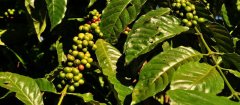
Muxiuyi, western province of Luanda, washed fine coffee, raw beans, single bourbon beans.
Like many African countries, Rwandan coffee is mainly produced by small farmers, and the ripe cherry fruits are collected and sent to the processing station every year during the harvest period. During the annual harvest period, the ripe coffee berries picked by farmers are concentrated in the treatment station for treatment, first selected by hand to ensure that no immature or damaged fruit is mixed in. Then remove the peel in a cool, cold ring

Introduction to the characteristics of Rwandan Coffee beans in Rwanda Coffee Flavor Manor area
The first problem for Malaba coffee farmers is to set up a cleaning station. The coffee fruit must be transported to the cleaning station to wash the sugar under the skin of the coffee bean within 12 hours after picking, otherwise the flavor of the coffee will be greatly damaged. In July 2001, with UNR, the Ministry of Culture and Industry of Rwanda (Office des Cultures Industrielles du Rwanda,OCIR-Caf), ACD